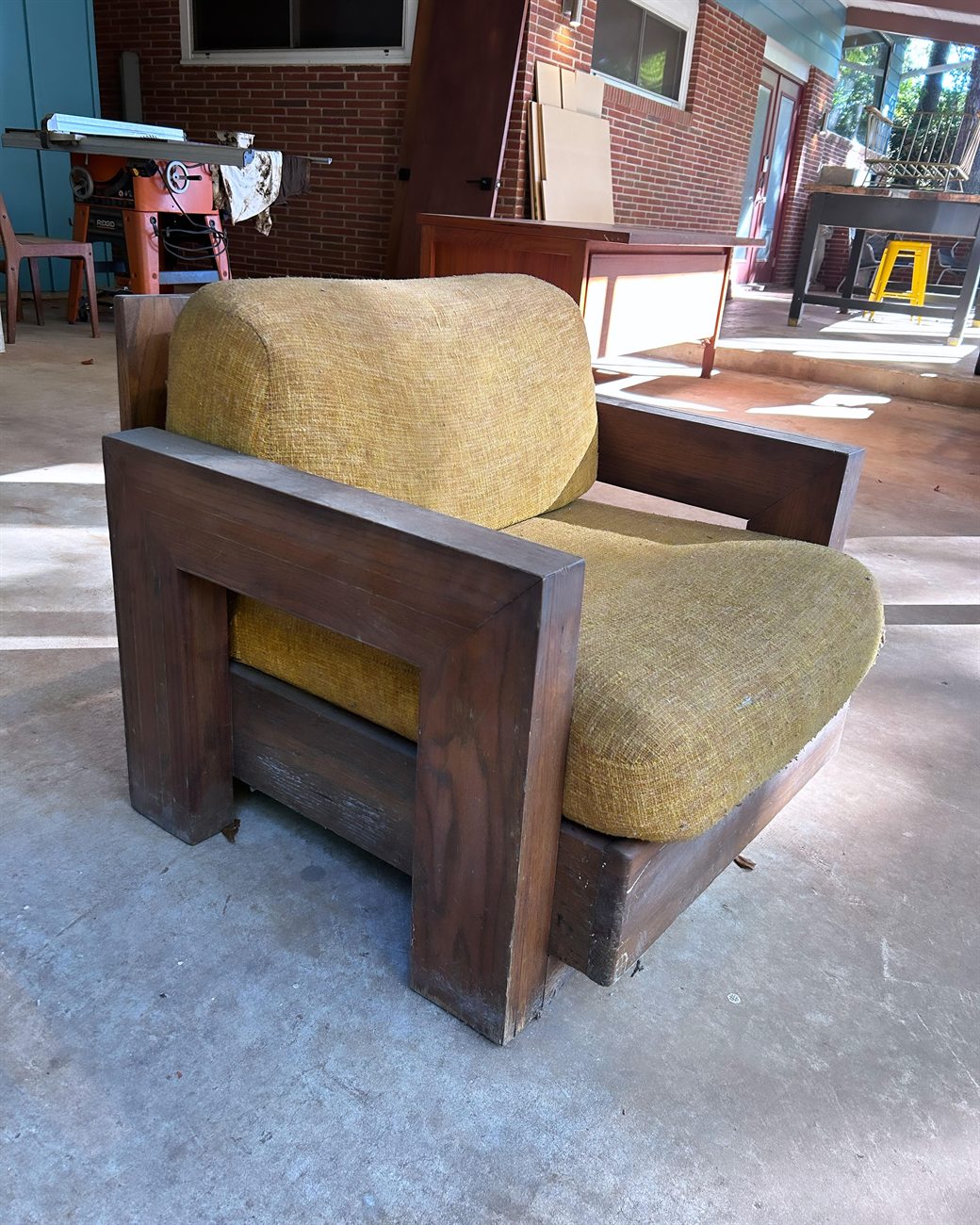
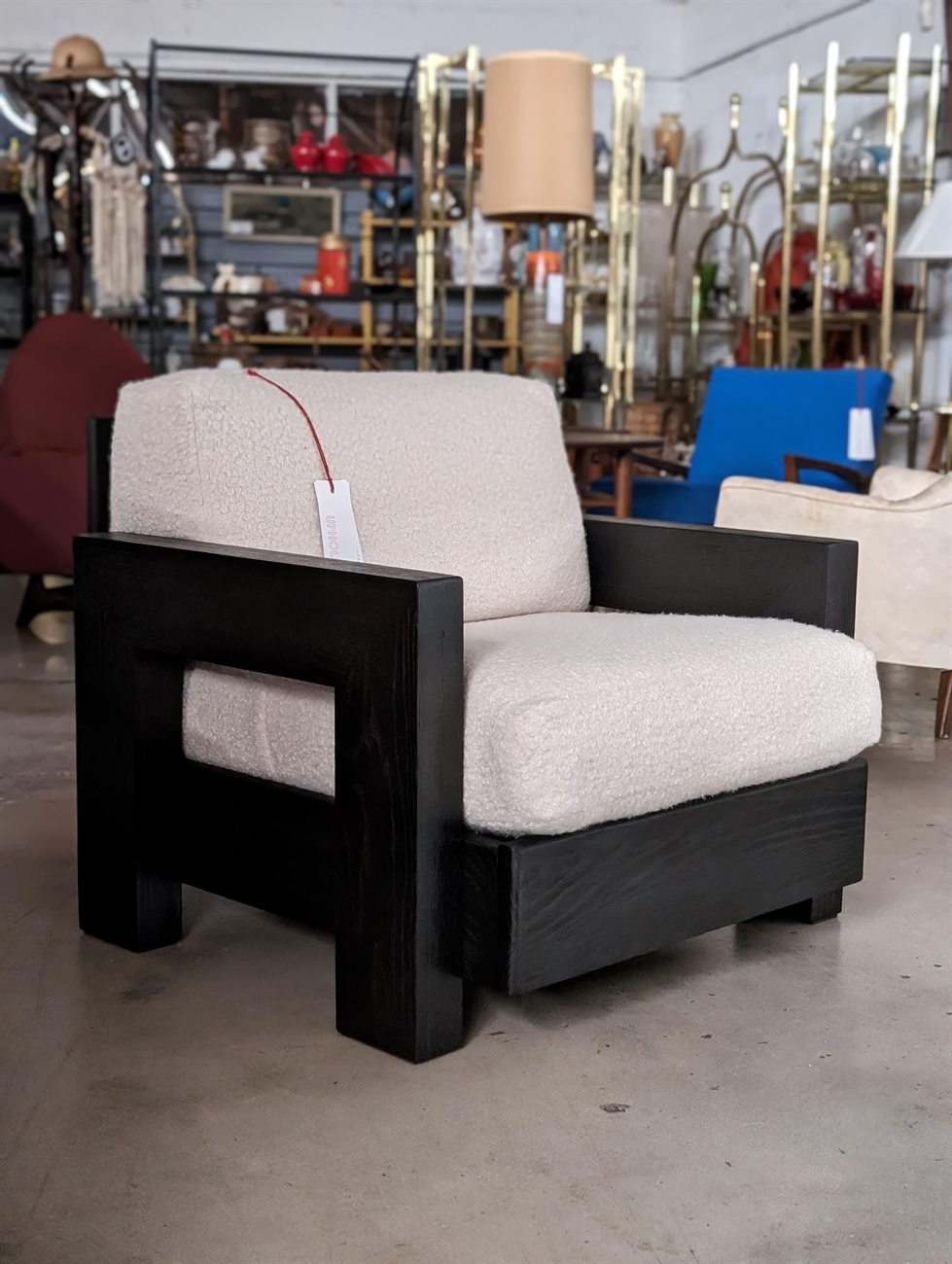
Blocky-arm lounge chair
Stripped and re-stained to a deep ebony, then reupholstered in a cream bouclé, the same bold mid-century frame given a completely modern read.
Proof of Concept
Working with my hands on one piece at a time keeps my instincts honest when I’m making decisions that get multiplied across thousands of units.
Buck & Doll · Product Design, Made Explicit
Restore a mid-century piece by hand and you’re forced to understand why it was built that way: how a frame is joined, how upholstery is tensioned, why a material was chosen for a stress point. Reviewing a spec or BOM at scale, I’m not just trusting the drawing; I know what will hold up in production and what fails in year two.
Restoration teaches you to respect what a material actually is, you don’t hide bad wood under too much finish, or oversell a fabric’s durability. That’s exactly how I evaluate new materials: does the real performance match the price point and use case we’re promising the consumer?
Mid-century design at its best is defined by what’s not there. Running design reviews at scale, that’s the lens I bring: does this detail, this trim, this pattern earn its place, or is it decoration that adds cost and complexity without adding value?
Buck & Doll · Selected Restoration
Stripped and re-stained to a deep ebony, then reupholstered in a cream bouclé, the same bold mid-century frame given a completely modern read.
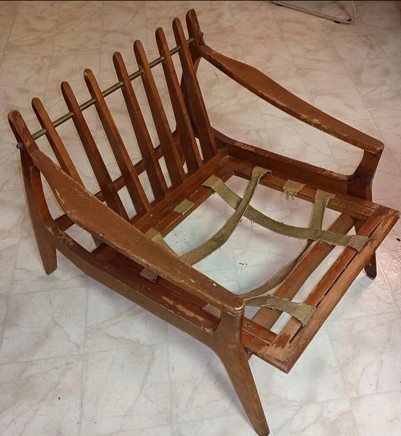
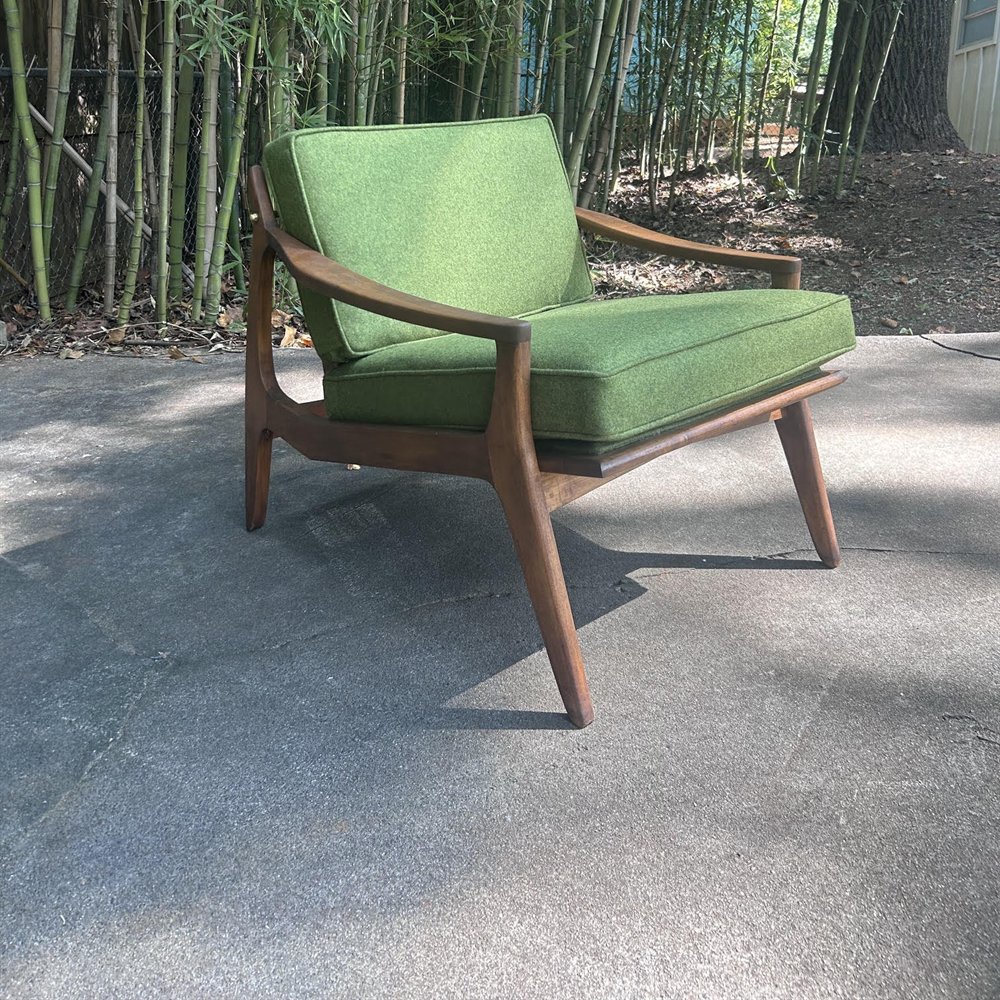
Taken down to a bare frame, joints re-glued and the wood refinished, then rebuilt with new foam and green wool. From a stripped skeleton to a finished piece.
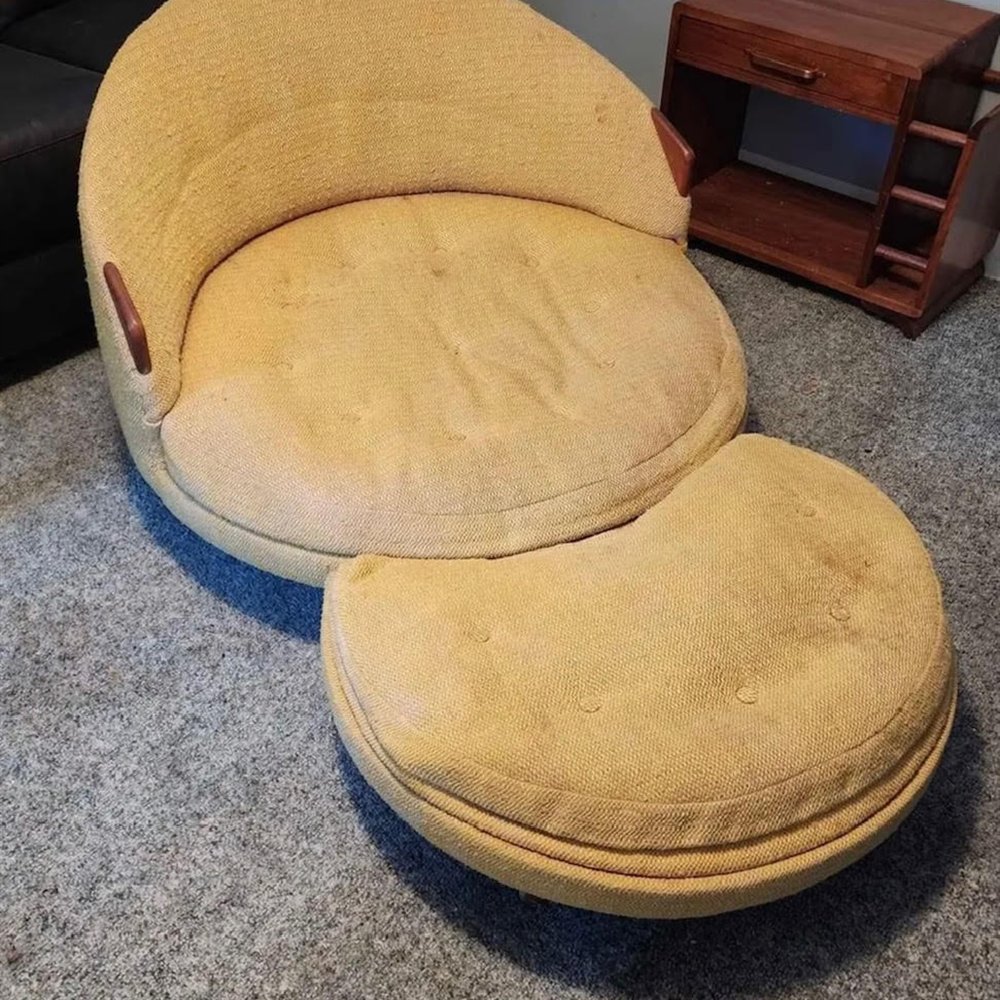
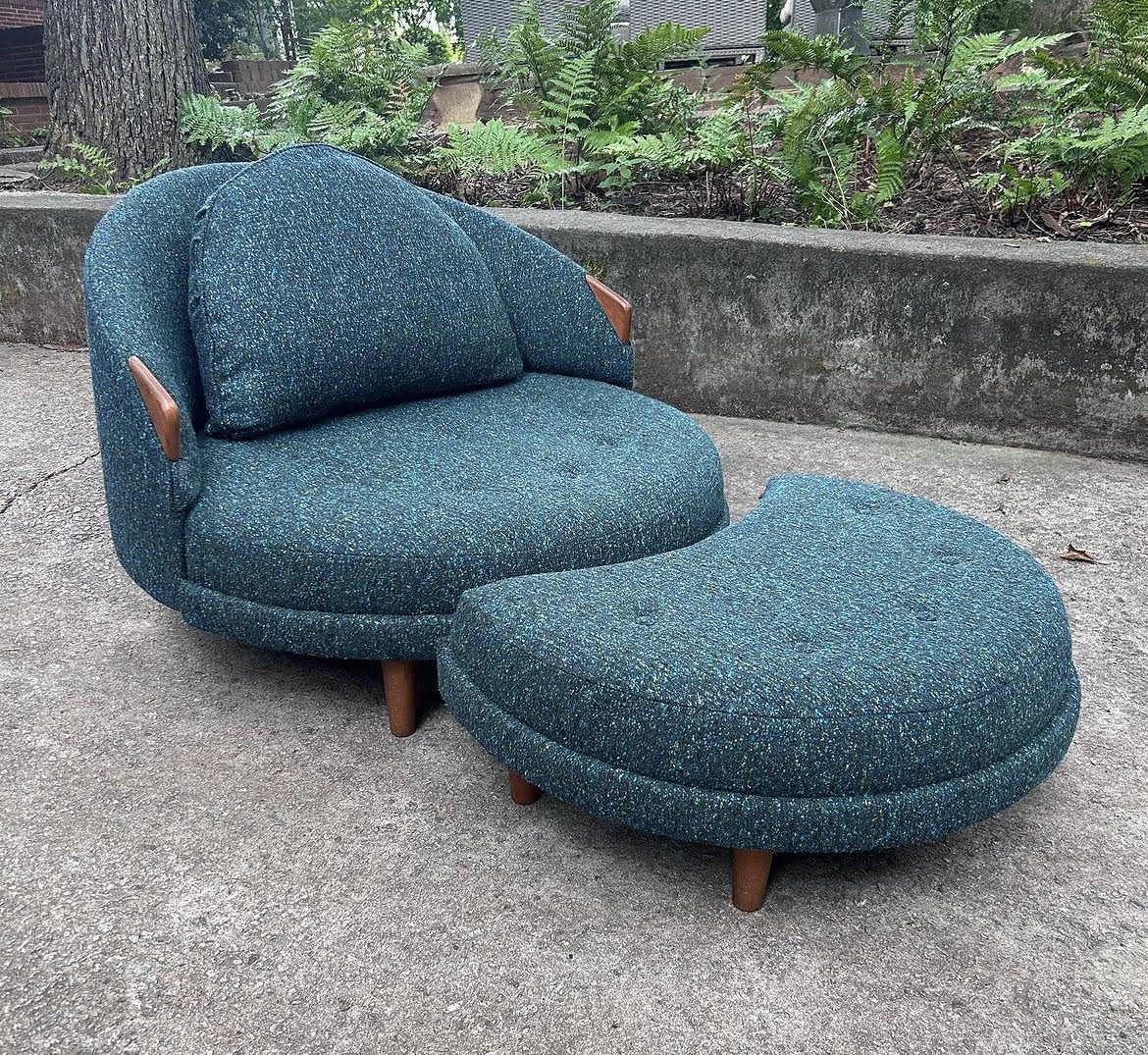
A worn, grimy round chaise and its ottoman brought back in a speckled teal, new foam, new fabric, and refinished wood accents.
Quantified Achievements
Visual Brand Language
Where the trend deck argues for what to build next, the Visual Brand Language governs how it gets built. It’s the reference point every concept gets pressure-tested against: how a brand’s identity translates into artwork, material, construction, and finish, so a design stays on-brand from concept board all the way to a finished bed.
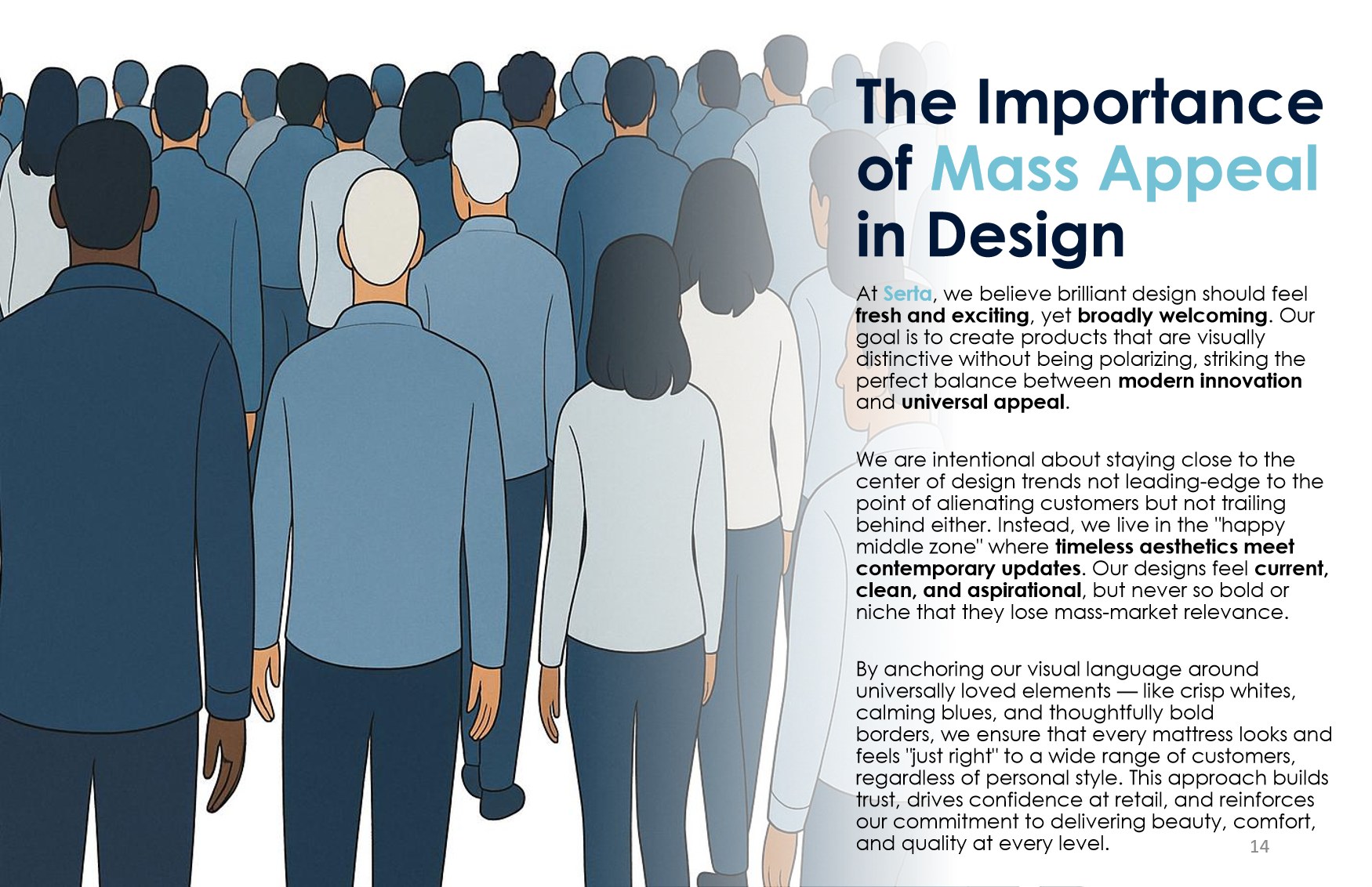
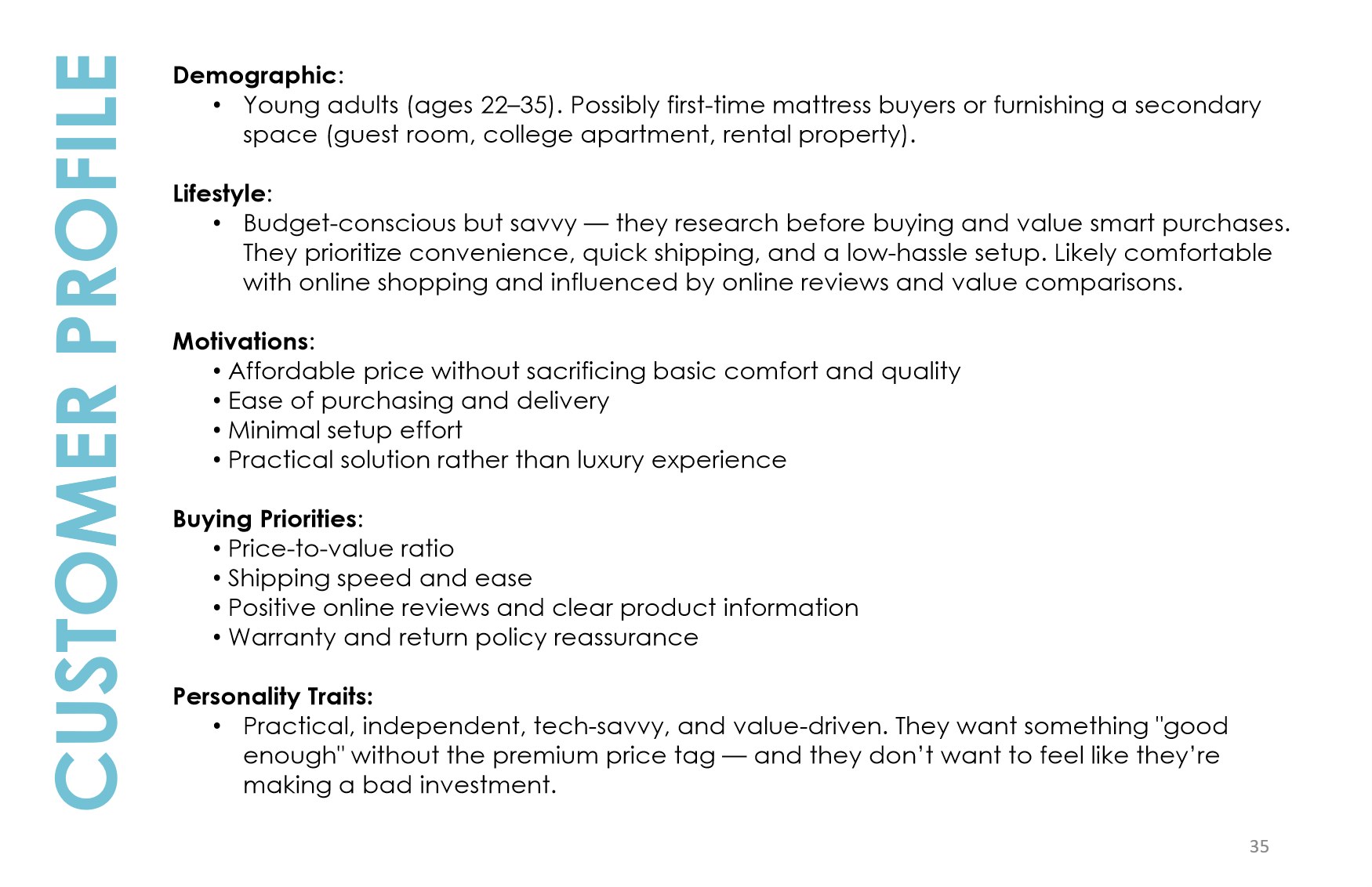
I authored this one for Serta: over a hundred pages defining mass-appeal design principles, material and color standards, tape and stitch specs, even the customer it’s all built for. It’s the shared standard that lets a team move fast without drifting: when everyone designs against the same visual language, clarity scales.

Inside the guide · 105 pages
Why La-Z-Boy
I don’t lose the construction-level thinking just because I’m operating at a portfolio level, and that’s exactly the instinct a design-led furniture company should want in the room.